Ecology Survey Timing: Planning Around Seasonal Survey Windows
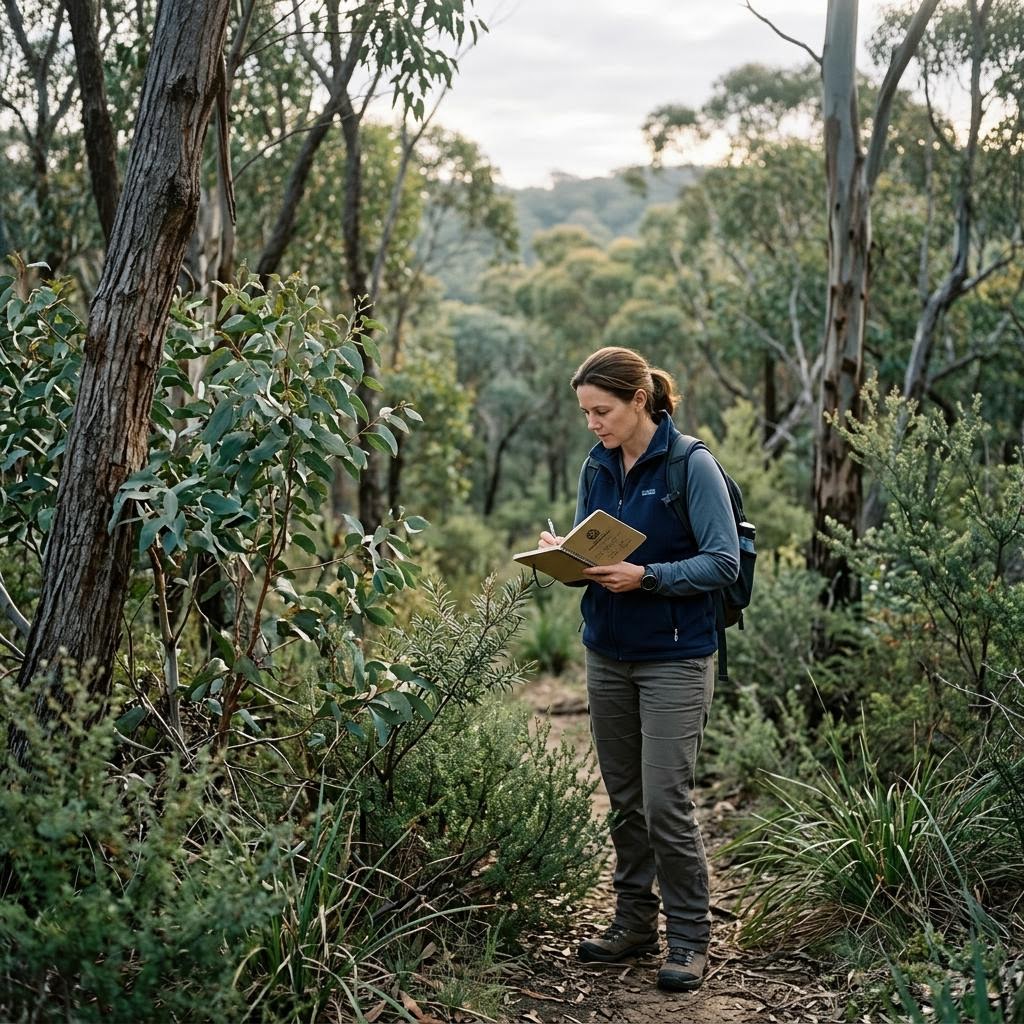
An ecology survey can only answer a question if the target features can be detected using a suitable method under suitable conditions. Flowering, breeding activity, weather and habitat condition can influence that opportunity. A convenient visit date is not necessarily an appropriate survey date.
For project teams, the goal is to identify timing dependencies before the design and lodgement programme becomes fixed. There is no universal Australian ecology survey calendar: the location, target species, assessment purpose and relevant guidance shape the programme.
Identify the survey question before reserving dates
Give the ecologist a current footprint, regional context and any earlier ecological reports. Desktop review and reconnaissance may identify likely vegetation communities, habitats or species questions that need targeted fieldwork. Different questions on the same site can require different timing and effort.
Discuss seasonal dependencies during the scope for flora, fauna and biodiversity assessment surveys. Ask which findings can be established promptly and which require a suitable seasonal or activity window, rather than assuming one visit will complete every part of the assessment.
Build a programme with conditions and contingencies
Record the anticipated survey window, the reason for it, access arrangements and the conditions that could make an event unsuitable. Weather, recent fire, land management or disturbance can affect habitat condition and detectability. The practitioner should decide whether the event remains fit for purpose.
A plant survey illustrates the distinction: arriving within the expected season does not automatically establish that diagnostic features are visible in that particular year. Keep a contingency for unsuitable conditions or further survey, and avoid promising a completion date before these dependencies are understood.
- Target feature and purpose of the survey.
- Timing rationale and relevant local conditions.
- Landholder access and fieldwork arrangements.
- Weather or habitat conditions requiring reassessment.
- Decision date for follow-up or programme changes.
Do not interpret non-detection without the survey context
A species not recorded during a visit is not automatically absent. Interpretation depends on habitat suitability, methods, effort, timing and limitations. Ask the report to explain what the survey can support and what uncertainty remains, rather than reducing the result to a yes-or-no list.
Previous records can inform the scope, but records from another season, footprint or nearby site are not interchangeable with current site evidence. Keep desktop information and field findings distinguishable so planners understand the basis for each conclusion.
Connect timing to design decisions
Sequence early constraints work so the design team can respond while layout choices remain open. Where targeted surveys are pending, identify provisional avoidance areas and assumptions with the ecologist. Do not describe these as confirmed boundaries or treat pending survey as approval to disturb habitat.
Review the programme if the footprint expands, access is delayed or conditions change. A short timing register shared by the ecologist, planner and project manager makes these dependencies visible. The final reporting scope should reflect the survey actually undertaken, including any limits to coverage or detectability.
Key takeaways
- Timing follows the target and assessment purpose.
- One visit may not answer every ecology question.
- Allow for weather and habitat-condition contingencies.
- Non-detection needs qualified interpretation.
- Keep design assumptions visible while surveys are pending.
Frequently asked questions
- What is the best month for an ecology survey?
- There is no single best month. Location, target species, habitat and assessment requirements determine suitable timing, and some projects need more than one survey event.
- Can desktop records replace fieldwork?
- They help frame the questions, but whether they are sufficient depends on the purpose and evidence required. The ecologist should explain any fieldwork needs and limitations.
- What happens if weather disrupts the survey?
- The practitioner should assess whether conditions remain suitable and whether rescheduling or further effort is needed. Include that possibility in the project programme.
Identify seasonal dependencies early
Share your site footprint and programme so ecological survey timing can be considered before key design decisions.
Related services
- Ecology & Biodiversity Reports — Vegetation, habitat, and species assessments that keep projects planning-ready.
Keep reading
- Ecological Constraints Mapping: Using Field Findings in Site Design — A constraints map needs a reliable handover between field evidence and the current engineering layout.
- Guide: environmental requirements for development approvals — A guide to the environmental studies development approvals demand across Australia, and how to scope them early to avoid resubmission.