Lead Paint and PCBs in Older Buildings: Planning a Hazardous Materials Survey
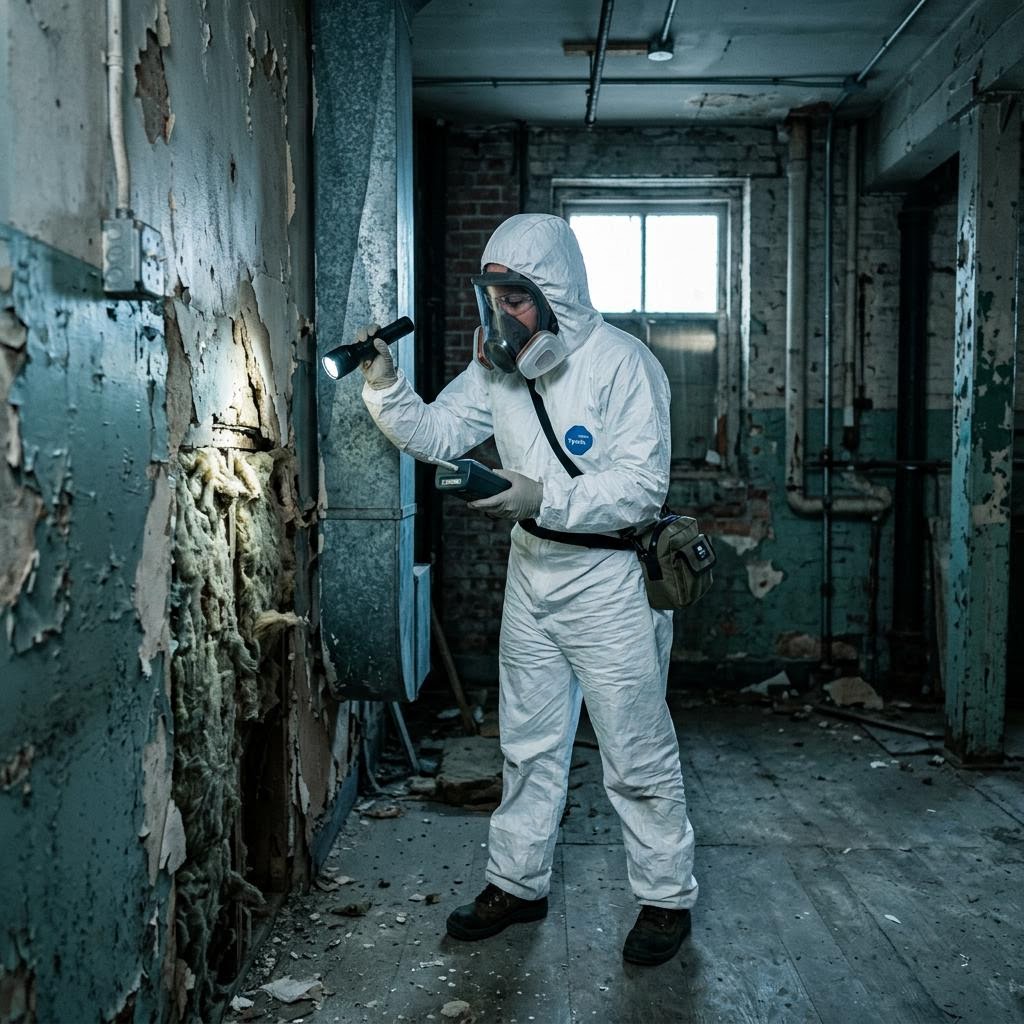
Older buildings can contain hazardous materials beyond asbestos. Lead-containing coatings and equipment that may contain polychlorinated biphenyls, or PCBs, need different lines of enquiry. Their presence cannot be confirmed simply from a building’s age or a photograph.
A useful survey brief sets out what will be disturbed, what is known about the building and what equipment records are available. This article explains preparation for professional assessment, not how to sample coatings, open equipment or remove hazardous material.
Describe coatings and equipment separately
For coatings, identify the surfaces affected by sanding, cutting, removal or structural work and provide any previous coating test reports. For equipment, list relevant plant, lighting and electrical components where information is available. The practitioner can determine what warrants further investigation within the agreed scope.
Discuss these questions as part of hazardous materials surveys for asbestos, lead paint and PCBs. A report commissioned only to identify asbestos should not be assumed to assess every other hazardous material in the building.
Gather history without disturbing the material
Provide construction and refurbishment dates where known, maintenance records, coating specifications and equipment schedules. Photographs taken from safe, accessible positions may help explain locations, but they are not a substitute for assessment. Label uncertainty where old drawings no longer match the building.
For equipment, existing nameplate information and manufacturer documentation may help the practitioner investigate possible contents. Do not open electrical housings, disconnect components or handle leaking equipment to obtain details. Arrange any necessary access and isolation through the responsible site personnel.
- Mark the surfaces and equipment affected by planned works.
- Provide earlier coating tests and hazardous materials reports.
- Share equipment identifiers already available in maintenance records.
- Flag restricted areas, operating plant and occupancy constraints.
Plan the assessment around the disturbance
A coating left intact during occupation presents a different project question from one that will be mechanically removed. Explain the actual work method under consideration so the survey can inform the relevant management decisions. Do not infer that an intact coating is harmless under every future activity.
For example, a warehouse refurbishment may replace lighting while also abrading painted steelwork. Those activities require separate coverage in the brief. Agree how material identification, inaccessible components and any specialist follow-up will be reported so neither workstream is lost within a generic building checklist.
Request clear locations, limitations and next actions
A useful report distinguishes confirmed findings, suspected items and unresolved areas. Ask for location references that connect to the drawings and an explanation of any information needed before disturbance. Keep identification findings separate from removal planning and waste decisions, which may require further professional input.
If suspect material or leakage is discovered during works, stop the affected activity, restrict access and seek appropriate advice under the site response arrangements. Do not improvise a clean-up or transfer contents between containers. Survey planning should establish who will receive these questions before the works begin.
Key takeaways
- Do not assume an asbestos survey covers lead paint or PCBs.
- Provide coating and equipment records separately.
- Describe disturbance methods and locations.
- Keep preparation non-intrusive and safe.
- Request explicit treatment of unresolved items.
Frequently asked questions
- Can paint colour confirm whether it contains lead?
- No. Colour and appearance are not reliable identification methods. A practitioner should determine the appropriate assessment approach.
- Does all old electrical equipment contain PCBs?
- No. Equipment type, records and identification evidence matter. Age alone does not establish contents, and equipment should not be opened to investigate it yourself.
- Should survey findings determine the waste pathway automatically?
- Not necessarily. Material identification informs waste planning, but classification, handling and receiving requirements need to be checked for the particular material and jurisdiction.
Prepare a broader hazardous materials brief
Share coating history, equipment records and the intended works to clarify what the survey should cover.
Related services
- Hazardous Materials Surveys — Know exactly what is in your building before refurbishment, demolition, or purchase.
Keep reading
- Management, Refurbishment or Demolition: Choosing a Hazardous Materials Survey — The planned disturbance determines the survey brief. A management register may not answer a demolition question.
- Asbestos Registers Before Refurbishment: A Practical Handover Checklist — Make register limitations and unresolved areas visible before a refurbishment package changes hands.