Phase 1 Site Assessments: Records and Site Access to Prepare
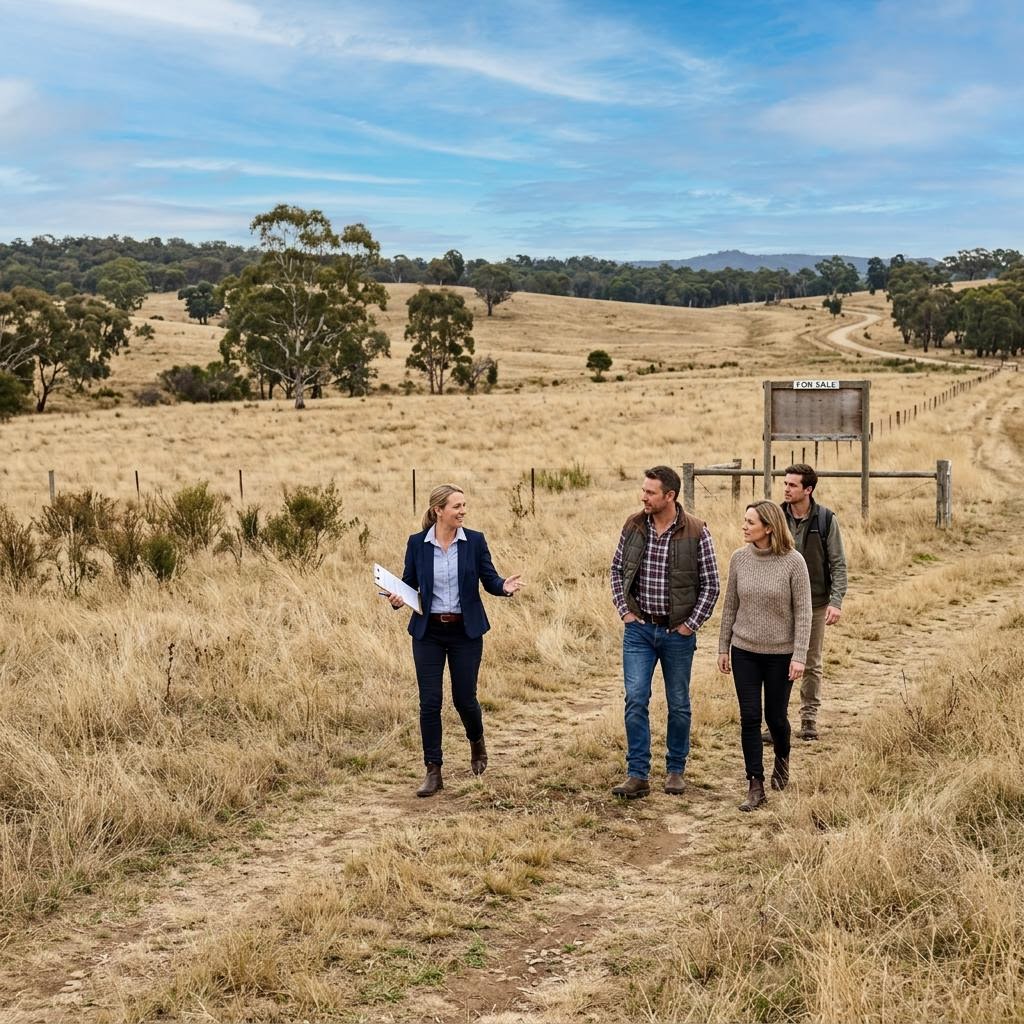
A Phase 1 environmental site assessment uses records, interviews and site observations to identify potential environmental concerns. Preparing useful information does not mean deciding in advance what the consultant should conclude. It means making the available evidence accessible and identifying what is missing.
This preparation checklist is intended for owners, purchasers and project managers arranging professional assessment. Confirm the assessment purpose and scope first: a transaction review, a planning submission and an assessment of a revised land use may need different information.
Start with the decision and property boundaries
Provide the property address, legal parcel information where available, a current plan and the area actually being assessed. Flag adjoining lots, shared access and leased areas that may otherwise cause confusion. Explain the intended future use and the date by which findings are needed.
For Phase 1 environmental site assessments and due diligence reporting, share the recipient’s requirements and any previous assessment instructions. A consultant needs to understand what the report will support, not just where the property is located.
Build a document index, including the gaps
Gather available environmental reports, historical plans, photographs, tank or chemical storage records and information about filling, demolition or past industrial use. Keep original report appendices and laboratory attachments where available; an executive summary may omit important coverage limitations.
Create a simple index showing the document title, date, author and the area it covers. Mark a missing record as unavailable rather than interpreting its absence as evidence that an activity never happened. The consultant can decide whether further searches or interviews are needed.
- Current site and proposed development plans.
- Previous environmental investigations and management documents.
- Records of former operations, storage areas and known incidents.
- A list of available people who know the site history.
Arrange safe and representative access
Agree the walkover extent, induction arrangements, escort requirements and occupant permissions. Identify locked buildings, fenced yards, plant areas and any part of the property that cannot be entered safely. Do not remove covers, enter confined spaces or disturb suspect material to make an area accessible.
An occupied warehouse illustrates the issue: the owner may control the exterior while a tenant controls chemical storage rooms. Arrange both contacts before the visit and tell the consultant which areas may remain unavailable. An uninspected area should appear as a limitation, not silently become part of an unrestricted conclusion.
Prepare the interview and handover process
Ask knowledgeable site contacts to describe activities, changes in layout and unusual events, distinguishing direct recollection from second-hand information. Encourage them to identify uncertainty. A clear account of what is not known is more useful than an unsupported assurance that the site has always been unproblematic.
After the walkover, ask for outstanding information requests and the implications of any access limits. Phase 1 work may identify reasons for further investigation, but it does not establish subsurface conditions through observation alone. Keep time in the decision programme for that possibility without assuming sampling will always be necessary.
Key takeaways
- Define the decision and assessment boundary.
- Provide complete reports rather than summaries alone.
- Record unavailable information explicitly.
- Coordinate owner, tenant and escort access.
- Allow for further questions after the walkover.
Frequently asked questions
- Should I collect soil samples before a Phase 1 visit?
- No. Prepare documents and safe access instead. If sampling is warranted, the consultant should scope an appropriate professional investigation.
- What if historical records cannot be found?
- Tell the consultant what is unavailable and what searches have already been attempted. The report can explain remaining uncertainty and whether further investigation is needed.
- Can a Phase 1 assessment proceed with restricted access?
- Sometimes, but the restriction and its implications need to be documented. Whether the resulting report is suitable depends on the assessment purpose and significance of the inaccessible area.
Prepare a clear assessment brief
Share your decision timeframe, available records and access arrangements before the assessment is scoped.
Related services
- Environmental Site Assessments — Phase 1 and Phase 2 investigations that protect land transactions and development decisions.
Keep reading
- Environmental due diligence before buying land in Australia — Environmental due diligence uncovers contamination, constraints, and liability before you commit to a land purchase — turning unknown risk into an informed decision.
- Phase 2 environmental site assessments explained — A Phase 2 environmental site assessment moves from desktop review to physical sampling, confirming whether contamination is present and how it might affect your project.