Environmental Impact Assessment Scoping: Defining the Questions Before Fieldwork
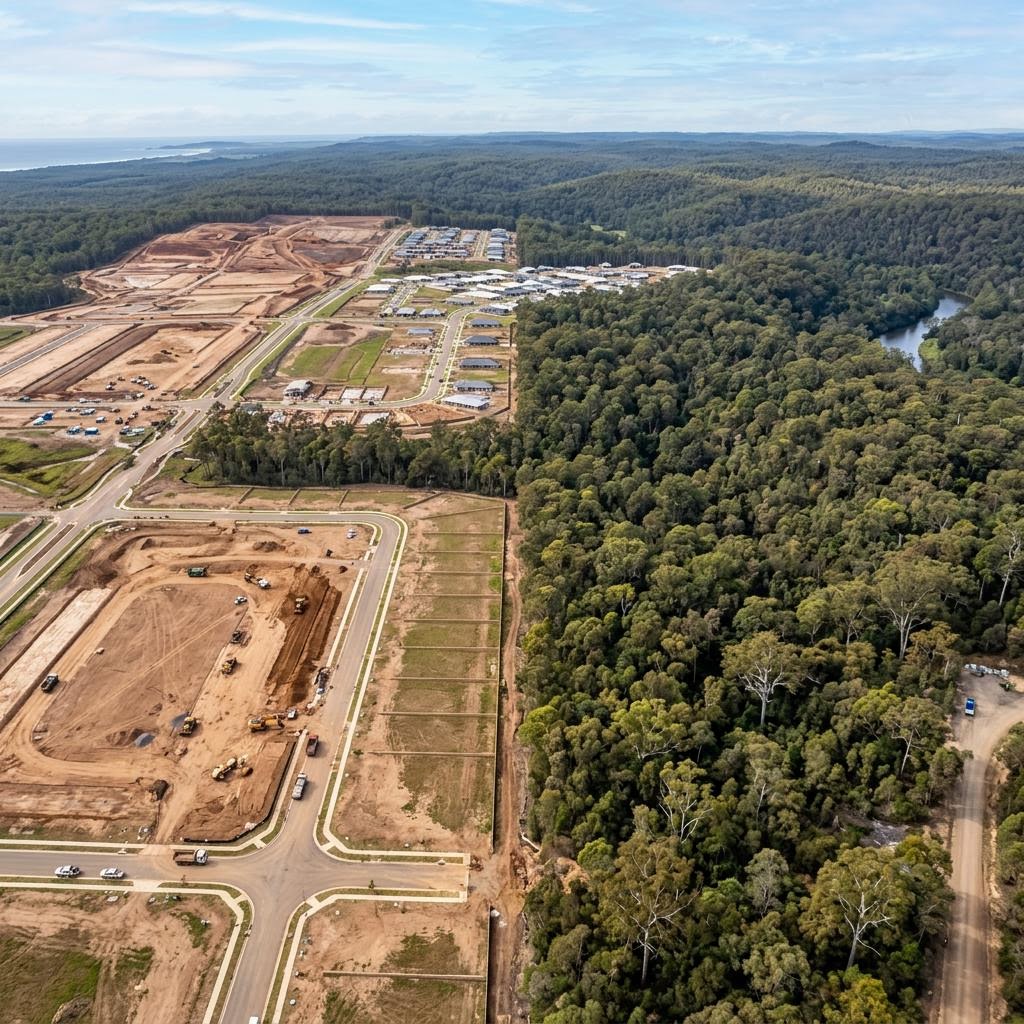
Scoping an environmental impact assessment is not simply choosing a list of reports. It is deciding which questions must be answered before a proposal can be evaluated, which evidence already exists, and which uncertainties require investigation. That distinction helps a project team commission fieldwork with a clear purpose.
This article focuses on the scoping handover: the information a proponent can prepare, the questions to resolve with specialists, and the decisions to record. The applicable assessment pathway and authority requirements determine the final scope; a generic checklist cannot replace that review.
Describe the whole proposal, not just its main structure
Start with a current footprint and a description of construction, operation and any relevant decommissioning activities. Include temporary access, compounds, stockpiles, drainage changes and utility connections. These supporting activities can affect a different area or receptor from the completed development.
Use this project description to brief environmental impact assessment scoping and baseline studies. Record which design version the scope addresses, who owns each unresolved design assumption, and when the team expects that assumption to change. Otherwise specialists may assess different versions of the same proposal.
Build a question register around receptors and decisions
For each plausible interaction, identify the activity, the receiving environment, the potential change and the decision that depends on understanding it. A nearby creek, for example, raises questions about runoff pathways, existing condition and construction staging rather than an automatic instruction to sample every water parameter.
Separate issues that need investigation from issues that can be screened out with a documented reason. Screening out is not ignoring an issue: keep the evidence, assumptions and reviewer agreement so the decision can be revisited if the footprint or construction method changes.
- What could change, where could that change extend, and who or what could be affected?
- Which existing information is suitable for this question, and what is missing?
- What result would influence layout, staging, mitigation or further study?
- Who will confirm the method and review the conclusion?
Match fieldwork to the evidence gap
Give specialists previous reports with their dates, survey coverage and limitations. An older survey may be helpful background but may not represent a revised footprint, a different season or changed surrounding land use. Ask what can be reused and what needs checking rather than assuming that any existing report closes the issue.
Agree access arrangements, seasonal dependencies, interfaces between disciplines and the intended form of the deliverable. If ecology mapping will guide drainage design, establish the coordinate system and design handover date before both teams start. Record contingencies for inaccessible areas rather than treating them as assessed.
Use a review gate before committing the programme
Imagine a proposed access road moves closer to a wetland after studies are commissioned. A good scope register makes the consequence visible: the affected receptor question is reopened, coverage is checked, and the team decides whether additional assessment is needed. It does not assume the original scope remains adequate.
Before fieldwork, circulate a short agreed scope containing the question register, project revision, study boundaries, evidence gaps and review dates. Authority consultation may help clarify expectations where appropriate, but an agreed project scope is not a promise of approval or a substitute for formal assessment requirements.
Key takeaways
- Scope questions before selecting studies.
- Include temporary works and all relevant project phases.
- Document why an issue is included or screened out.
- Check whether existing evidence covers the current design.
- Reopen scope decisions when assumptions change.
Frequently asked questions
- Is an EIA scope the same as a fieldwork plan?
- No. The scope defines the questions and evidence needed for assessment. Individual fieldwork plans explain how specialists will obtain evidence for those questions.
- Can previous reports reduce new fieldwork?
- Sometimes. Specialists need to check their coverage, age, methods and suitability for the current proposal before relying on them.
- Who decides which issues need detailed assessment?
- The project team and relevant specialists develop the scope in the context of the applicable assessment pathway and authority requirements. The reasoning and any unresolved expectations should be documented.
Define the assessment questions first
Bring your current footprint, works description and previous studies to a discussion about the EIA scope.
Related services
- Environmental Impact Assessments (EIA) — Understand how a proposed project may affect its surrounds — before development begins.
Keep reading
- How environmental consultants de-risk project approvals — The right environmental input turns approvals from a source of programme risk into a predictable, well-managed process.
- Cumulative Environmental Impacts: What Project Teams Should Consider — Assess how activities can combine at a shared receptor, rather than treating each project as isolated.